Lapeer Insulated Concrete Forms for Energy-Efficient Homes
Insulated Concrete Forms Manufacturing: The Future of Green Building Solutions
Insulated Concrete Forms (ICFs) are gaining traction in the building sector for their energy efficiency advantages. These forms blend insulation with structural strength, meeting the increasing need for eco-friendly construction solutions. As environmental awareness continues to grow, the shift towards ICFs prompts critical discussions regarding traditional construction methods. What sets ICFs apart in the modern market? Exploring their benefits and applications uncovers a deeper understanding of construction's evolving future.
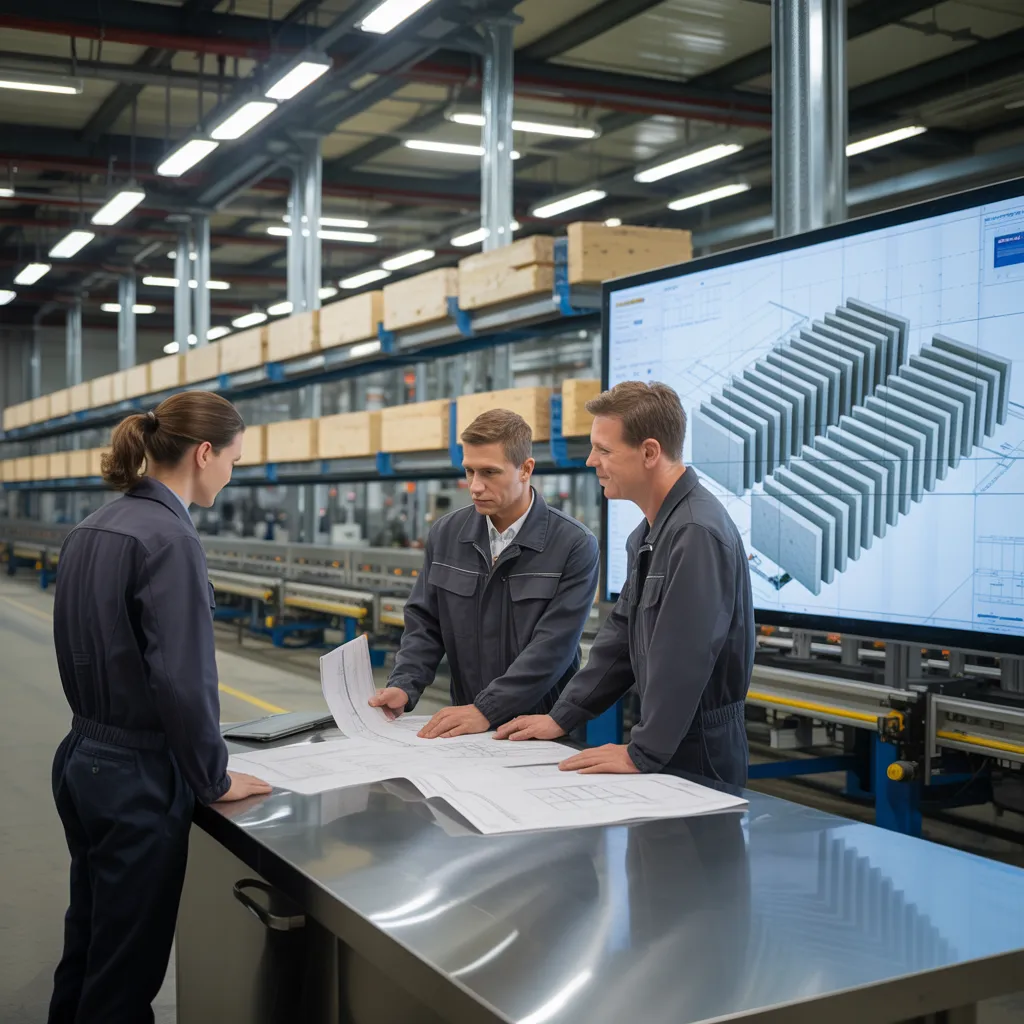
Understanding Insulated Concrete Forms: A Comprehensive Overview
As the construction industry shifts toward greener building methods, insulated concrete forms (ICFs) have risen to prominence as a key solution for sustainable and energy-efficient construction. ICFs consist of expanded polystyrene (EPS) foam blocks or panels that interlock to create a sturdy framework. This structure is then filled with concrete, ensuring structural strength while improving thermal efficiency. The superior insulation characteristics of ICFs considerably decrease energy demands for heating and cooling, making them an increasingly popular choice among builders.
Moreover, ICF construction demonstrates remarkable flexibility, ideal for residential, commercial, and industrial purposes. This system supports numerous architectural designs, maintaining aesthetic appeal without sacrificing performance. Moreover, ICFs support noise reduction and enhanced resistance against environmental conditions. With tightening regulatory requirements around energy efficiency, comprehending ICFs is increasingly important for industry professionals working to adhere to current building requirements while advancing sustainable practices in the construction sector.
Top Benefits of ICFs for Energy Efficiency and Sustainable Building
As energy efficiency becomes increasingly essential in construction, the advantages of insulated concrete forms (ICFs) become readily apparent. ICFs provide superior insulation compared to traditional building materials, significantly minimizing thermal bridging and enhancing energy performance. This results in lower heating and cooling costs, contributing to long-term savings for homeowners and businesses alike.
Additionally, ICFs are known for their strength and resilience, which greatly enhances sustainable building practices. By providing exceptional soundproofing and defense against natural disasters, ICF homes demand less upkeep and fewer repairs over the years.
Moreover, ICFs contribute to a decreased carbon footprint. The manufacturing and assembly of ICFs frequently incorporates sustainable materials, and their energy-efficient properties reduce consumption of fossil fuels. This adherence to eco-friendly practices positions ICFs as a compelling choice for construction professionals prioritizing sustainability. All things considered, the merits of ICFs demonstrate a pivotal shift in favor of environmentally responsible construction practices.
How Do ICFs Stack Up Against Traditional Building Methods: Key Insights?
When evaluating ICFs (Insulated Concrete Forms) to standard building techniques, considerable variations in energy performance and building timelines emerge. ICFs commonly deliver outstanding thermal insulation, contributing to lower energy consumption over time. Moreover, the building process utilizing Insulated Concrete Forms tends to be more efficient, potentially reducing construction costs and overall project duration.
Energy Saving Advantages
How do Insulated Concrete Forms (ICFs) compare to traditional building methods when it comes to energy efficiency? ICFs provide significant advantages, primarily due to their exceptional thermal insulation properties. The consistent insulation provided by ICFs limits thermal bridging, leading to decreased heat loss in winter and heat gain in summer. As a result, buildings built with ICFs preserve more stable indoor temperatures, which can lower heating and cooling costs. Additionally, ICFs have a high R-value, enhancing overall energy efficiency compared to traditional wood framing. Moreover, the airtight construction of ICFs reduces air leakage, further supporting energy savings. Overall, ICFs provide a progressive solution for energy-efficient construction, supporting contemporary sustainability goals and reducing reliance on fossil fuels.
Building Speed Analysis
Insulated Concrete Forms (ICFs) dramatically improve the construction process compared to traditional building methods. ICFs are built for fast installation, permitting walls to be built in a fraction of the time demanded by traditional framing methods. The light construction of the forms streamlines transportation and site management, lowering labor expenses and time. Furthermore, the integrated insulation eliminates the need for independent insulation work, useful guide additionally accelerating the building process. Research indicates that projects utilizing ICFs can be finished up to 50% more quickly than projects constructed with conventional wood framing. This effectiveness not only compresses project schedules but also reduces weather-related delays, contributing to more predictable scheduling. Overall, ICFs represent a significant advancement in the speed of energy-efficient construction.
ICF Production: From Raw Materials to Finished Product
The fabrication of Insulated Concrete Forms, commonly known as ICFs commences with a meticulous sourcing of raw components, which significantly influences their durability and environmental impact. Understanding the production techniques utilized is necessary for grasping how these components become the final product. This methodology not only impacts the effectiveness of the building process but also supports the general energy efficiency of residential and commercial buildings.
Raw Material Evaluation Process
Identifying source materials is a fundamental step in the manufacturing of Insulated Concrete Forms (ICFs), impacting both the structural soundness and thermal performance of the finished product. The primary constituents typically include expanded polystyrene or polyurethane foam for thermal insulation and structural concrete for load-bearing strength. The selection of insulating material affects thermal performance, while the concrete mixture determines load-bearing capacity and durability. Additionally, incorporating sustainable and renewable materials is gaining greater significance, aligning with ecological guidelines and market demands. Material quality assurance during the selection process is critical, as substandard materials can cause increased energy costs and structural failures. As a result, a detailed evaluation of material properties, environmental impact, and cost-effectiveness is required to guarantee peak performance and longevity in Insulated Concrete Form applications.
Production Techniques Overview
Effective manufacturing methods are critical for converting raw materials into high-performance Insulated Concrete Forms (ICFs). The fabrication process commonly initiates with the sourcing of premium raw materials, including polystyrene foam and concrete aggregates. These components are subjected to accurate mixing and molding procedures to establish the form's structure. Automated equipment frequently serves a critical function in maintaining uniformity and efficiency, boosting overall productivity.
Upon being molded, the molds are put through curing methods that enable the concrete to strengthen while the thermal properties are retained. Quality standards are enforced throughout the production process to satisfy industry requirements. Ultimately, these innovative methods enhance the durability and energy efficiency of ICFs, positioning them as the leading option in today's construction industry.
Revolutionary Applications of ICF Systems in Contemporary Building Projects
Transforming modern construction, ICFs (Insulated Concrete Forms) have become a remarkably flexible solution for a diverse array of construction projects. They extend beyond traditional residential homes to commercial structures, schools, and even structures built to withstand disasters. ICFs prove especially beneficial in energy-conscious building designs, delivering superior insulation and thermal storage capacity, which significantly boost the conservation of energy.
Additionally, the straightforward nature of construction allows for accelerated construction timelines, making ICFs well-suited for projects requiring quick turnarounds. Their natural durability and strength also contribute to lasting structures, minimizing maintenance costs over time.
Additionally, ICFs have become increasingly popular in eco-friendly design projects, meeting the requirements of green building standards by minimizing waste and improving energy performance. Progressive architectural concepts take advantage of ICFs to produce one-of-a-kind shapes and floor plans, illustrating their design potential. With the ongoing evolution of the construction sector, ICFs consistently expand the scope of modern construction, proving essential for modern energy-efficient building practices.
Upcoming Trends in Insulated Concrete Forms Technology
As the construction sector continues to develop, advancements in Insulated Concrete Forms (ICFs) technology are poised to reshape building practices. Emerging trends suggest a movement toward greater energy efficiency via advanced insulation materials, including aerogels and bio-based composites. These innovations promise to reduce energy consumption further while maintaining structural integrity.
In addition, the adoption of intelligent technology into ICFs is foreseen, allowing for continuous energy monitoring and automated climate control systems. This convergence of technology not only boosts comfort but also supports eco-friendly construction practices.
Additionally, manufacturers are exploring modular construction designs that simplify the construction process, reducing waste and labor costs. This movement is consistent with the expanding requirement for swift and streamlined construction approaches in the face of accelerating urbanization.
Popular Questions and Answers
What Are the Ecological Effects of ICF Manufacturing?
The environmental effects associated with ICF production involve resource extraction, energy consumption during manufacturing, and potential emissions. Despite these concerns, their energy-efficient properties in construction can offset long-term environmental consequences, encouraging environmentally responsible building practices and lowering overall carbon footprints.
How Well Do ICFS Handle Extreme Weather Conditions?
ICFs display exceptional performance in extreme weather conditions, providing remarkable thermal insulation and structural strength. Their robust construction resists harm caused by extreme temperatures, high winds, and heavy snow, making them suitable for varied climates and challenging environmental conditions.
Are There Building Codes Specific to ICF Structures?
Indeed, particular building codes governing ICF buildings exist and vary by region. These regulations encompass safety, structural integrity, and energy efficiency, guaranteeing adherence to regional standards while encouraging superior performance in a wide range of environmental conditions.
How Long Can an ICF Building Stand?
An ICF building typically has a lifespan of between 70 and 100 years, based on build quality and upkeep. Its durability is enhanced by protection against weather, pests, and fire, ensuring long-term structural integrity.
Can ICFS Be Recycled at the End of Their Life?
Insulated Concrete Forms (ICFs) are indeed recyclable once they have reached the end of their lifespan. Several approaches can be used to repurpose the materials, promoting sustainability and decreasing waste throughout construction and demolition processes.